Posts

Showing posts with the label Phendimetrazine

Vicodin

  What is Vicodin? Vicodin contains a combination of  acetaminophen  and  hydrocodone . Hydrocodone is an opioid pain medication. An opioid is sometimes called a narcotic. Acetaminophen is a less potent pain reliever that increases the effects of hydrocodone. Vicodin tablets are used for the relief of moderate to moderately severe  pain . Vicodin may also be used for purposes not listed in this medication guide. Warnings Hydrocodone can slow or stop your breathing.  Never use this medicine in larger amounts, or for longer than prescribed.  Narcotic pain medicine may be habit-forming, even at regular doses.  Never share Vicodin with another person, especially someone with a history of drug abuse or addiction. Keep the medication in a place where others cannot get to it. MISUSE OF NARCOTIC MEDICINE CAN CAUSE ADDICTION, OVERDOSE, OR DEATH, especially in a child or other person using the medicine without a prescription. Do not use Vicodin if you have ...
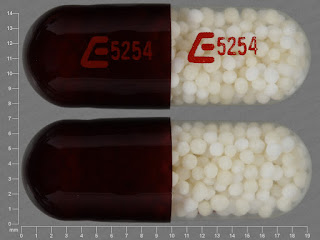
Phendimetrazine

Image
  What is phendimetrazine? Phendimetrazine  is a sympathomimetic amine, which is similar to an amphetamine. Phendimetrazine stimulates the central nervous system (nerves and brain), which increases your heart rate and blood pressure and decreases your appetite. Phendimetrazine is a prescription medicine that is used together with diet and exercise to treat  obesity . Warnings You should not use phendimetrazine if you have  glaucoma , overactive thyroid, severe heart problems, uncontrolled  high blood pressure , advanced  coronary artery disease , extreme  agitation , or a history of  drug abuse . Do not use this medicine if you have used an  MAO inhibitor  in the past 14 days, such as  isocarboxazid ,  linezolid ,  methylene blue  injection,  phenelzine ,  rasagiline ,  selegiline , or  tranylcypromine . A dangerous drug interaction could occur, leading to serious side effects. Weight loss during p...